A full house rewire is one of the most important electrical upgrades a homeowner can undertake. Whether you live in an older property or are renovating a home, ensuring the wiring meets modern safety standards is vital for efficiency and peace of mind. Understanding what happens during a full rewire helps you prepare for the process and make informed decisions when planning your project.
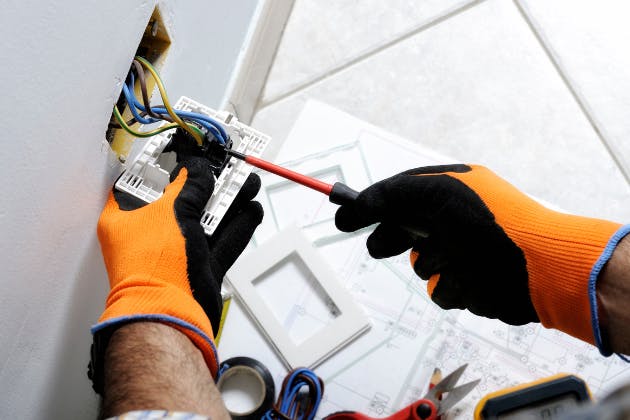
Understanding the Full House Rewiring Process
A complete house rewire involves replacing all the electrical wiring, sockets, switches, and consumer units to ensure your system is safe and compliant with current regulations. This process can vary depending on the property’s age and layout, but the key stages remain similar.
Initial Electrical Assessment and Planning
Before any work begins, a qualified electrician will carry out an inspection to assess the existing wiring. This helps identify faults, outdated components, and areas that need additional attention. During this stage, your electrician will:
- Evaluate the current system’s safety and capacity
- Discuss your needs for lighting, sockets, and power points
- Create a detailed plan outlining the new wiring layout and circuit routes
First Fix – Installing the New Wiring
The first fix is the most extensive phase of electric rewiring. Walls, floors, and ceilings may need to be lifted or chased to allow access for the new cables. The electrician will install new wires for sockets, lighting, appliances, and other electrical systems such as smoke alarms and heating controls.
Second Fix – Fitting Fixtures and Connections
Once the new wiring is in place and the walls are replastered or sealed, the second fix begins. This includes connecting sockets, switches, light fittings, and testing circuits to ensure everything functions correctly. It’s also the stage where your home starts to look like itself again, with visible fittings neatly finished.
Safety Testing and Certification
After all the work is complete, your electrician will carry out comprehensive testing to ensure every circuit meets safety regulations. You’ll receive an Electrical Installation Certificate (EIC) confirming the rewire complies with BS 7671 standards. This certification is essential for insurance, selling your home, or future electrical work.
Key Benefits of a Full House Rewire
Rewiring your home provides long-term safety and performance advantages, especially in older properties. Some of the main benefits include:
- Improved electrical safety and reduced fire risk
- Increased energy efficiency and capacity for modern devices
- Added value to your property and compliance with current standards
- Reliable performance and fewer tripped circuits or outages
Preparing Your Home for a Full Rewire
Rewiring can be disruptive, so preparation is essential. Clear as much space as possible, protect furniture and flooring, and consider temporary accommodation if needed for large-scale projects. Good communication with your electrician ensures minimal disruption and a smoother process overall.
What to Expect During Electric Rewiring Work
During the rewire, expect dust, noise, and temporary power interruptions. A professional electrician will keep the project organised and phased to maintain safety and efficiency. Typical project duration ranges from 5 to 10 days, depending on the property size and complexity.
Looking for Professional Electric Rewiring in Rhondda Cynon Taf and Cynon Valley?
NJ Electricals provides expert electric rewiring in Rhondda Cynon Taf and Cynon Valley, ensuring your home meets the highest safety and efficiency standards. Our experienced team handles everything from initial assessments to full system installations. Call us today to book your rewire consultation or fill out our contact form to arrange a visit from our qualified electricians.