Getting an Electrical Installation Condition Report (EICR) can feel a bit daunting, especially when the paperwork lands in your hands full of codes and technical language. One of the biggest questions people have is whether the report means they must upgrade their fuse board straight away.
What an EICR is and what it actually tells you
An EICR is a detailed check of your fixed wiring, sockets, lighting circuits and consumer unit (fuse board). The electrician looks for damage, wear and safety issues that could put people at risk.
At the end, you receive a written report with observations and codes that show how serious any issues are. The report is not trying to sell you new equipment; it is a safety snapshot of the condition of your electrical installation at that point in time.
Common EICR findings linked to the fuse board
Not every observation in an EICR means your fuse board is unsafe or has to be replaced. Some items can be improved with minor remedial work, while others highlight that the board is outdated or providing limited protection.
Typical fuse board related comments include:
Lack of RCD protection on sockets, bathrooms or outdoor circuits
Signs of overheating such as scorching or melting on fuse carriers or breakers
Old rewireable fuses or obsolete equipment with poor fault protection
Poor or missing labelling so you cannot tell which circuit is which
Exposed live parts due to missing covers or broken enclosures
On their own, poor labelling or a slightly untidy board might not justify a full upgrade. However, lack of modern shock protection or clear signs of damage often point to the need for more significant work.
Lack of RCD protection in plain language
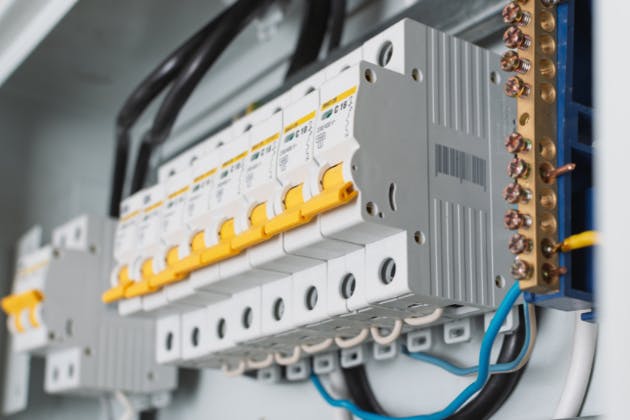
Modern consumer units usually include RCDs or RCBOs. These devices monitor the electrical current and trip quickly if there is a fault, such as someone cutting a cable or touching a live part.
If your EICR mentions little or no RCD protection, it means your fuse board is not offering this additional level of safety on circuits where it is now strongly expected, such as sockets, bathrooms, outdoor supplies and some lighting circuits. Your installation might have been considered acceptable when it was fitted, but current safety standards are higher.
In many cases, the most practical way to provide full RCD protection is to upgrade the consumer unit, rather than trying to adapt an old board that was never designed to house modern protective devices.
Signs of overheating and old fuse carriers
Scorch marks, discoloured plastic or a smell of burning inside or around the fuse board are clear warning signs. Your EICR may flag these as evidence that the board has been overloaded or poorly tightened in the past.
Traditional rewireable fuses and some very old MCBs do provide basic protection, but they are slower and less sensitive than modern devices. Combined with clear signs of overheating, this often leads the electrician to recommend a new consumer unit that offers faster, more reliable protection and a solid, fire-resistant enclosure.
Poor labelling and accessibility
It might seem minor, but if you cannot tell which breaker controls which circuit, it can slow down isolation in an emergency. EICRs often highlight missing or vague labels, especially in older properties or where work has been added over time.
Sometimes this can be sorted simply by tracing circuits and improving the labelling. In other cases, the board has been extended and altered so many times that a tidy, clearly labelled replacement board makes ongoing maintenance and future fault finding far safer and more straightforward.
C1, C2 and FI codes explained
The most talked about part of any EICR is the coding. Rather than guessing from the paperwork, it is always best to ask the electrician to walk you through the findings in plain language.
In general terms:
C1 means there is immediate danger present. Something is already unsafe and needs urgent action.
C2 means there is a potentially dangerous issue. It is not safe to leave it uncorrected.
FI means further investigation is required. The electrician has seen something concerning but cannot confirm the full extent without more testing or access.
A C1 or C2 related directly to the consumer unit, such as exposed live parts, serious overheating or very poor fault protection, often leads to a strong recommendation for a replacement. FI might mean the board needs to be opened up further or circuits traced before deciding whether an upgrade is the best option.
Do all EICRs mean you must upgrade the fuse board?
No, a report that notes minor issues or recommendations does not automatically mean a new board. For example, a few loose terminations, a cracked cover that can be replaced, or a missing label can usually be put right without changing the entire unit.
The tipping point is usually when several safety concerns line up together: aging equipment, limited protection, difficult maintenance and evidence of stress or damage. In these cases, upgrading the consumer unit is often the most sensible long term fix rather than patching issues repeatedly.
Landlords, rentals and HMOs in Swansea and the Valleys
For landlords, especially those with rentals and HMOs around Swansea and the Valleys, EICR results carry extra weight. You have a clear duty to provide a safe electrical installation for tenants, and EICRs are often requested by letting agents, insurers and licensing schemes.
Many landlords choose to act on recommendations quickly because modern boards with RCD or RCBO protection reduce the risk of electric shock and fire, and make it easier to show that reasonable steps have been taken to maintain safety. In HMOs, where more people are sharing the same installation, the likelihood of heavy use and accidental damage is higher, so a robust, up to date consumer unit is a common recommendation.
Upgrading a fuse board can also make future EICRs smoother. A modern, well laid out board with labelled circuits is easier to test, and issues are usually quicker to pinpoint if a problem ever arises between inspections.
Choosing your next step after your report
After receiving your EICR, the next step is to discuss the results. Ask which items are urgent, which are recommended improvements and what options you have, including whether a consumer unit upgrade would address several observations at once.
If your report points to an aging or stressed board, booking a fuse board assessment is a sensible move. You can also discuss any other remedial work needed at the same time to bring your installation up to a safe, modern standard.
Need help understanding your EICR or fuse board?
If you are unsure what your report means for your home or rental in Swansea or the Valleys, NJ Electricals can talk you through it in plain English and help you plan sensible next steps. Whether you need targeted remedial work or are considering a full fuse board upgrade, we will explain your options clearly.
To arrange remedial work or a fuse board assessment, call NJ Electricals on 07590337287 or get in touch via our contact page. You can also read more about what is involved on our fuse board upgrades page.